Health · 6 min read
How Inflammation Research Is Changing Psychiatry
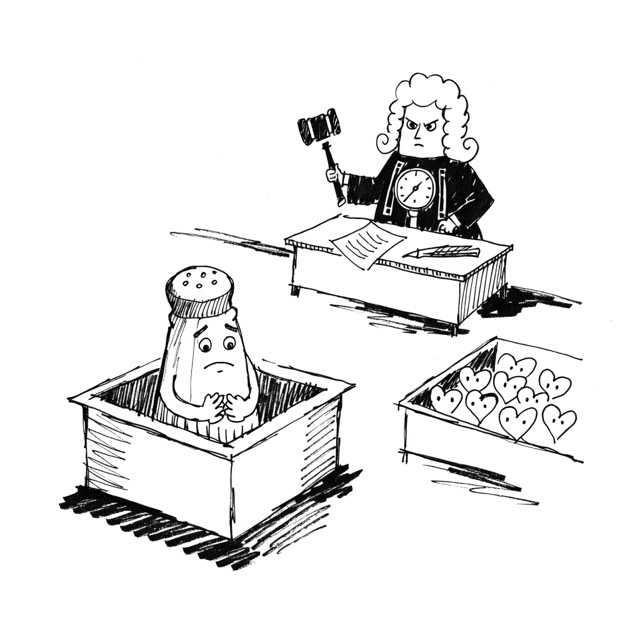
For years, psychiatry has blamed the brain for conditions that may actually begin in the blood — and millions of patients have paid the price. The immune system has been sending distress signals all along; medicine is only now learning to read them.
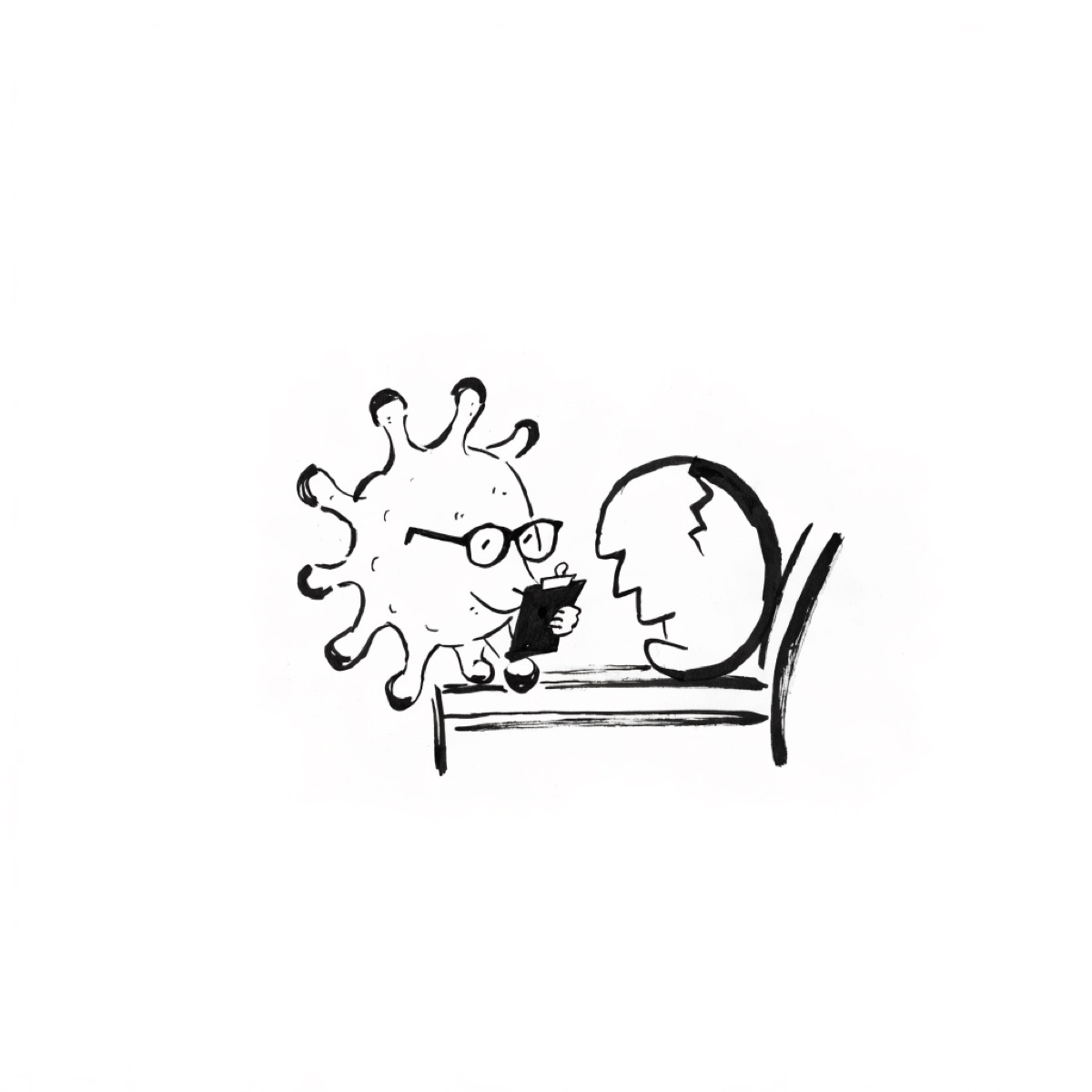
Sarah spent seven years cycling through antidepressants. Prozac, Effexor, Wellbutrin, Lexapro — each one tried, adjusted, and eventually abandoned. Her psychiatrist called her "treatment-resistant." Then a rheumatologist ran a routine inflammation panel, almost as an afterthought. Her C-reactive protein — a key marker of systemic inflammation — was through the roof. She didn't have a broken brain. She had an immune system on fire.
Her story is not an outlier. Roughly one in three people diagnosed with major depression fail to respond to antidepressants, a stubborn statistic that has barely budged despite decades of pharmaceutical innovation. New research suggests many of these patients share something measurable and specific: elevated inflammation markers circulating in their blood. The implication is uncomfortable but increasingly hard to dismiss. The immune system has been sending psychiatric distress signals for decades. Medicine is only now learning to read them.
The Chemical Imbalance Story Was Always Incomplete
For nearly four decades, the dominant story about depression was elegantly simple: not enough serotonin. It was a compelling narrative, and it sold billions of dollars worth of selective serotonin reuptake inhibitors. But in 2022, a landmark umbrella review published in Molecular Psychiatry — analyzing the most comprehensive body of evidence ever assembled on the topic — found no consistent support for the idea that depression is caused by serotonin deficiency. This wasn't a fringe critique. It landed like a quiet earthquake in clinical psychiatry.
To be clear: antidepressants still help many people, and the review didn't invalidate their use. What it invalidated was the explanatory map. And when a map is wrong, you misread the territory.
The serotonin model had always struggled to explain certain inconvenient patterns. Why does depression cluster so reliably with inflammatory diseases — rheumatoid arthritis, Crohn's, lupus? Why do patients given interferon therapy for hepatitis C develop full clinical depression within weeks, almost on schedule? Why do nearly half of cardiac patients become clinically depressed following surgery? These aren't coincidences. They're clues pointing toward a common upstream cause — and that cause looks increasingly like inflammation.
Meet the Cytokines: Your Brain's Uninvited Guests
Cytokines are the immune system's chemical messengers — proteins like IL-6, TNF-α, and IL-1β, released when the body senses threat. In normal circumstances, they coordinate inflammation to fight infection and heal tissue. But they are not content to stay in the body's periphery. They cross or cleverly circumvent the blood-brain barrier, activate the brain's resident immune cells called microglia, and proceed to disrupt serotonin, dopamine, and glutamate pathways simultaneously. One inflammatory event, multiple psychiatric symptoms.
There's a concept in immunology called "sickness behavior" — the fatigue, social withdrawal, loss of appetite, slowed cognition, and low mood that descend on you during a bad flu. Scientists once assumed this was just the body conserving energy. We now understand it as an actively coordinated behavioral program, orchestrated by cytokines acting on the brain. Read a DSM checklist for major depressive disorder alongside the symptoms of sickness behavior. The overlap is not incidental. It's conserved biology, etched into mammals over millions of years.
The microglial connection adds another layer. Microglia are the brain's immune sentinels — normally quiet, surveying for damage. But postmortem brain studies and PET imaging in living patients reveal something striking: the brains of people with severe depression, suicidality, and schizophrenia show chronically activated microglia, even without any obvious infection to explain it. The brain, in other words, is running a low-grade inflammatory response with no apparent enemy to fight — a security system stuck in alarm mode.
The Psychiatric Conditions with the Strongest Immune Fingerprint
Not every mental health condition wears an inflammatory signature equally. The evidence is not uniform, and it's worth being honest about where it is strongest.
Depression has the most developed case. Researchers at King's College London and elsewhere have now identified what they call an inflammatory depression phenotype — a clinically distinct subgroup characterized by elevated CRP and IL-6, blunted activity in the brain's reward circuitry, and disproportionate fatigue and anhedonia. Crucially, these patients respond poorly to standard SSRIs. In a 2013 trial published in JAMA Psychiatry, treatment-resistant depressed patients with high inflammation markers showed significantly better response to the anti-inflammatory drug infliximab than to placebo. The drug, typically used for Crohn's disease and rheumatoid arthritis, had no effect in patients with low inflammation. The same diagnosis, opposite treatment targets.
Schizophrenia's immune connection is more disturbing in what it implies about historical misdiagnosis. Population-level data consistently show that schizophrenia risk climbs significantly after autoimmune disease diagnoses. Then in 2007, neurologist Josep Dalmau's team at the University of Pennsylvania identified anti-NMDA receptor encephalitis — an autoimmune condition in which the body attacks a specific brain receptor, producing psychosis, hallucinations, and catatonia that are clinically indistinguishable from schizophrenia. Patients had been institutionalized for years with a psychiatric diagnosis. The actual problem was an antibody. The question that haunts the field: how many others remain warehoused under the wrong label?
Anxiety's immune story runs through the gut. Emerging research links generalized anxiety and panic disorder to gut microbiome dysbiosis — an imbalance in intestinal bacteria that increases intestinal permeability, sometimes called "leaky gut," which in turn triggers low-level systemic immune activation. The vagus nerve, a thick cable of nerve fibers running from the brainstem to the abdomen, carries inflammatory signals directly to the brain's threat-detection architecture, including the amygdala. The gut is not just a digestive organ. It is an immunological relay station with a direct line to fear.
What This Means If You're a Patient — Or a Doctor
None of this means psychiatry has been practicing fiction. SSRIs genuinely alleviate suffering for millions of people. Cognitive behavioral therapy changes brain structure in measurable ways. The immune model doesn't erase what came before; it extends it.
But the clinical implications are significant and, for some patients, urgent. Inflammatory markers like CRP and IL-6 are cheap, widely available, and almost never ordered before a psychiatric medication is prescribed. That may be the lowest-hanging fruit in all of medicine: a blood test that could stratify patients before their first antidepressant trial, potentially sparing years of failed prescriptions.
Several research groups are now running trials on repurposed anti-inflammatory drugs — including celecoxib, minocycline, and monoclonal antibodies — as adjunct treatments for depression in high-inflammation patients. The results are preliminary but promising enough that the National Institute of Mental Health has made inflammation a priority research area.
The Deeper Provocation
The brain, we have long insisted, is separate — elevated, protected behind its barrier, sovereign in its complexity. The psychiatric ward and the immunology clinic occupy different floors of the hospital for a reason. But biology does not respect institutional org charts.
What the immune-psychiatry research forces us to confront is something more fundamental than a new treatment target. It's a challenge to the category itself — to the assumption that symptoms originating in mood, thought, and behavior necessarily originate in the mind. Some of them originate in the blood. Some of them originate in the gut. Some of them are the brain responding, rationally and predictably, to an immune system that never got the message that the war was over.
Sarah, eventually, was treated for her inflammation. Her depression lifted within months. Seven years of the wrong map — and the territory had been there all along, waiting in a blood panel that cost less than a therapy co-pay.
The immune system, it turns out, has been trying to make a psychiatric referral for years. We just weren't trained to read the chart.