Culture · 7 min
How Museum Labels Became Part of the Exhibition
Historic archives show how museum labels became designed, revisable arguments between collections and visitors.
Pieces
Long-form pieces on culture — no feed, no ads, nothing that interrupts.
Culture · 7 min
Historic archives show how museum labels became designed, revisable arguments between collections and visitors.
Culture · 6 min
How decimal notation, relative indexing, institutional adoption, and revision made Dewey durable without making it neutral.
Culture · 6 min
Railways made local clock differences costly, telegraphs distributed shared references, and governments later turned operating standards into civil time.
Culture · 6 min
A historical review separating QWERTY’s documented persistence from disputed claims about deliberate inefficiency.
Culture · 6 min
How labor organizing, law, bargaining, and employer experiments produced an uneven five-day standard.
Culture · 6 min
How a compact tactile cell developed through invention, reader adoption, language-specific standards, and digital display technology.
Culture · 6 min
How a teachers' association built a revisable notation for speech sounds—and where transcription still depends on analysis.
Culture · 6 min
How railways, telegraphs, observatories, and governments built shared clock time without erasing political choices about time zones.
Culture · 6 min
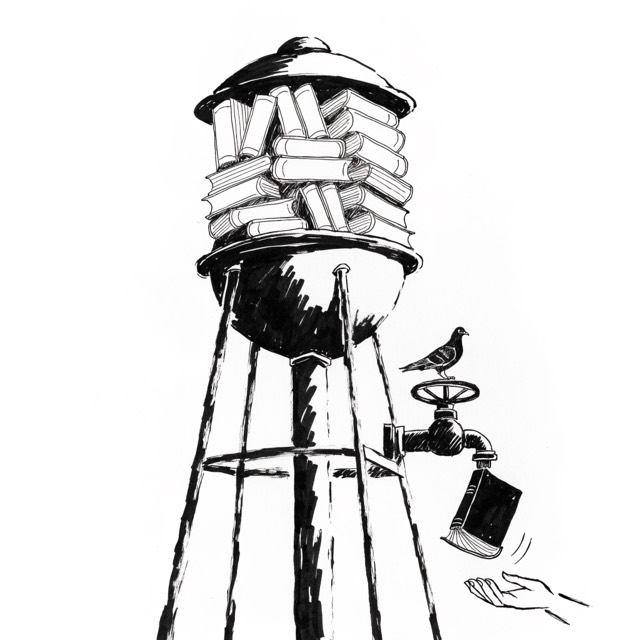
How tax support, philanthropy, branch systems, and circulation records turned shared book collections into a recurring civic service.
Culture · 6 min
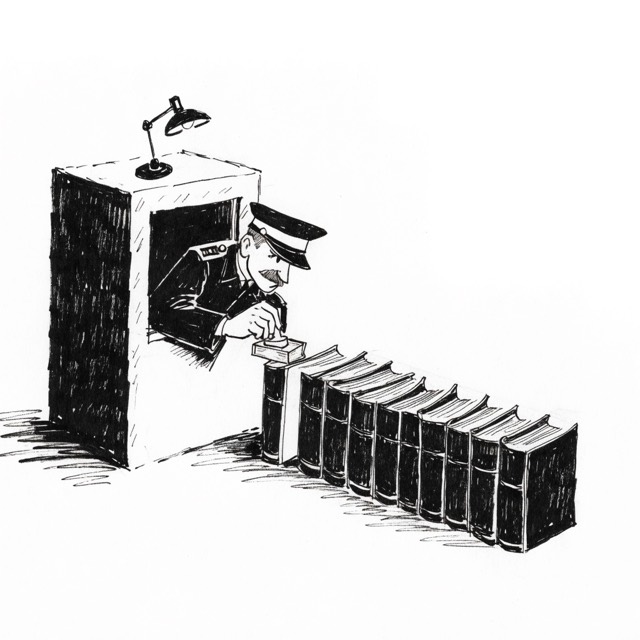
How book-trade coordination, delegated assignment, check digits, and format rules turned ISBN into an international publication identifier.
Culture · 6 min
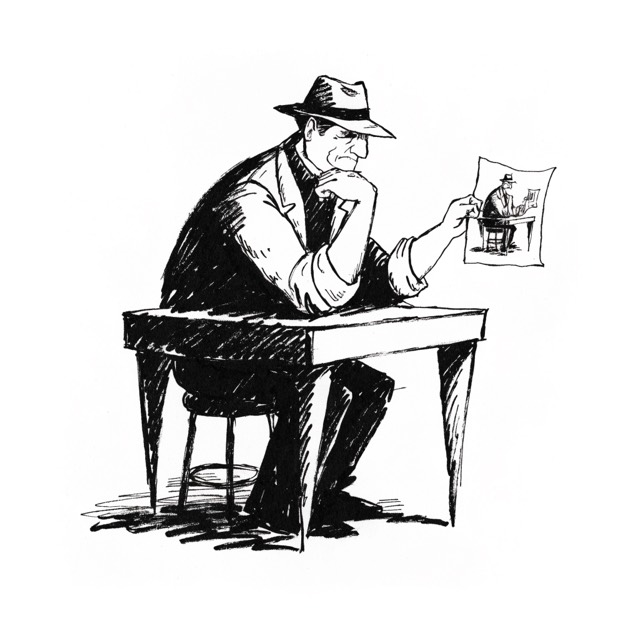
The geometry, institutions, and installed systems that carried A4 from a German norm into wide international use.
Culture · 6 min
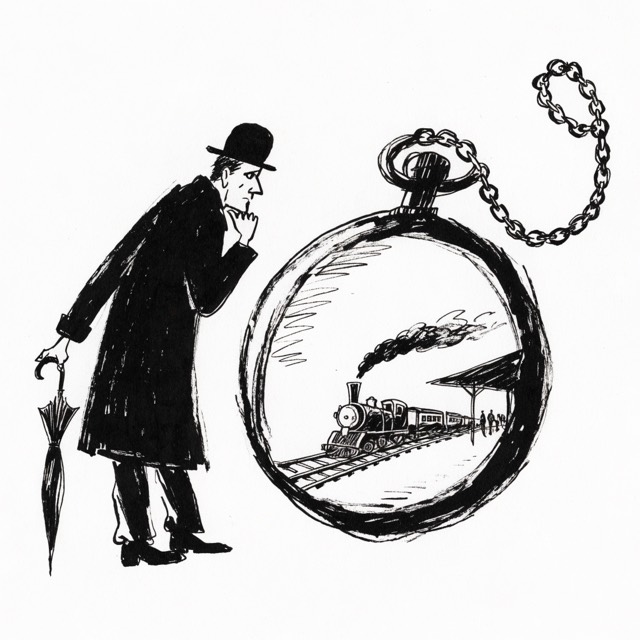
Railways, telegraphy, observatories, and law made shared clock time a public standard in stages.
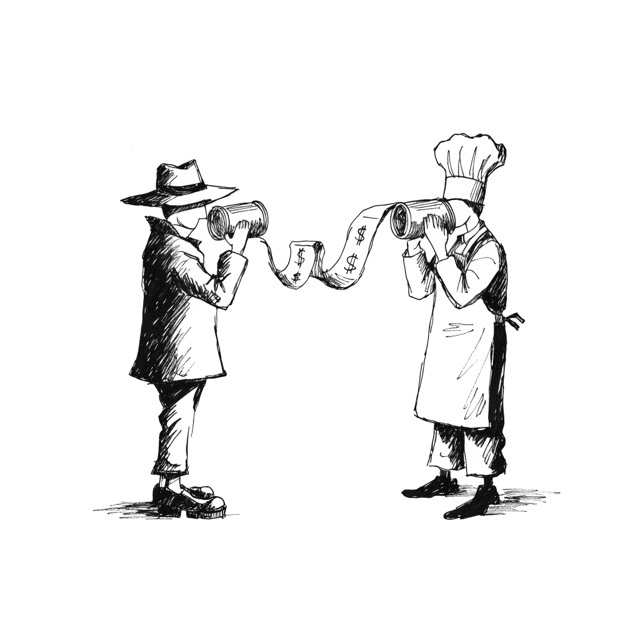
Culture · 6 min
How menus evolved into a practical link among diners, prices, dining rooms, and kitchens.
Culture · 6 min
Why the traditions that feel most native are often borrowed forms made local through memory, obligation, and use.
Culture · 6 min
The musical rest — that humble pause between notes — feels like artistic breathing room, a composer's choice. But its origins lie somewhere far more coercive: in the hands of medieval Church authorities who used silence as a tool of doctrinal control.
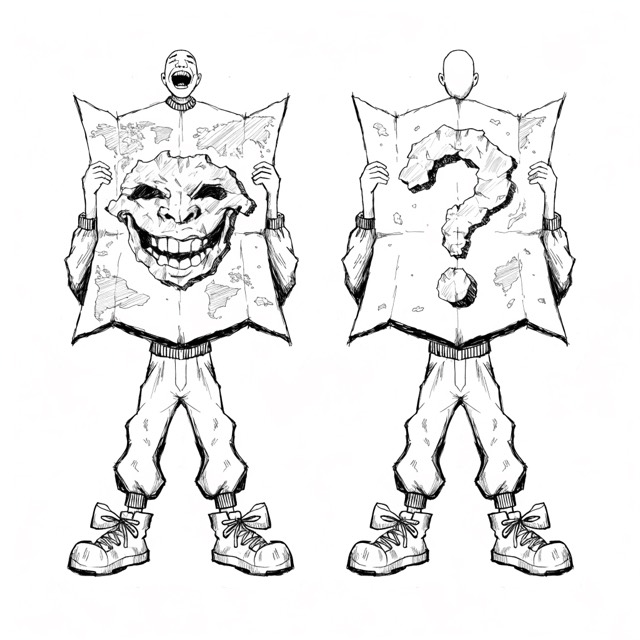
Culture · 9 min
We assume laughter is one of the few things that unites us across cultures—but the science of what actually triggers a laugh reveals something far stranger: humor is a precise map of how a culture constructs reality itself. What happens when the map doesn't match is more revealing than any anthropology textbook.
Culture · 9 min
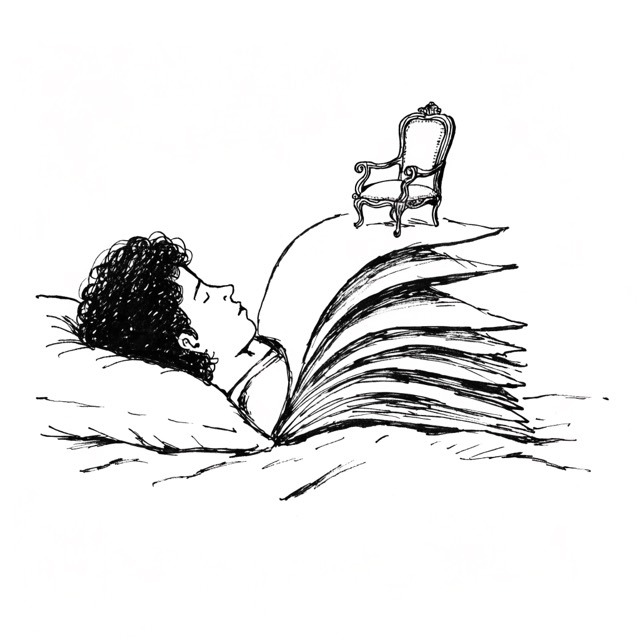
You lie awake at night suspecting your inner life is somehow inadequate—too quiet, too mundane, lacking the dramatic depth of the characters you read about. The unsettling truth is that this feeling isn't a personal failing; it's a literary side effect installed by an art form invented roughly 300 years ago.
The app
Free accounts read twenty pieces a day. Pro is US$1.99 a month or US$11.99 a year for unlimited reading.