Literature · 7 min
How Zora Neale Hurston's Barracoon Reached Print in 2018
Barracoon's publication history joins testimony, vernacular form, archival survival, editorial mediation, and disputed causes of delay.
Pieces
Long-form pieces on literature — no feed, no ads, nothing that interrupts.
Literature · 7 min
Barracoon's publication history joins testimony, vernacular form, archival survival, editorial mediation, and disputed causes of delay.
Literature · 6 min
How republication and new critical questions broadened readings of Passing without resolving its deliberately uncertain ending.
Literature · 6 min
Millions of quotation slips connected volunteer reading to centralized editorial judgment, producing a rich but selective history of English usage.
Literature · 6 min
A practical account of stylometric attribution, validation, corpus bias, and the limits of a nearest-author result.
Literature · 6 min
How monthly parts, number plans, illustrations, and reader waiting shaped Dickens’s novel.
Literature · 6 min
How federal courts admitted Ulysses, adopted whole-work review, and left later courts to define obscenity's boundaries.
Literature · 6 min
The notebooks document Mary Shelley's principal authorship, Percy's consequential editing, and a novel revised across versions.
Literature · 6 min
How reviews, publishing, archival recovery, feminist criticism, and teaching reshaped the reception of Hurston's 1937 novel.
Literature · 6 min
How reprinting, Black studies, feminist criticism, biography, and teaching rebuilt the material conditions for reading Larsen's novel.
Literature · 6 min
Why Dickinson's manuscripts corrected early regularization without eliminating editorial judgment about variants, punctuation, and sequence.
Literature · 6 min
The manuscript evidence for Mary Shelley's authorship and Percy Shelley's substantial but bounded editorial role.
Literature · 6 min
Dickinson's manuscripts show why every readable edition preserves some evidence and compresses other features.
Literature · 7 min
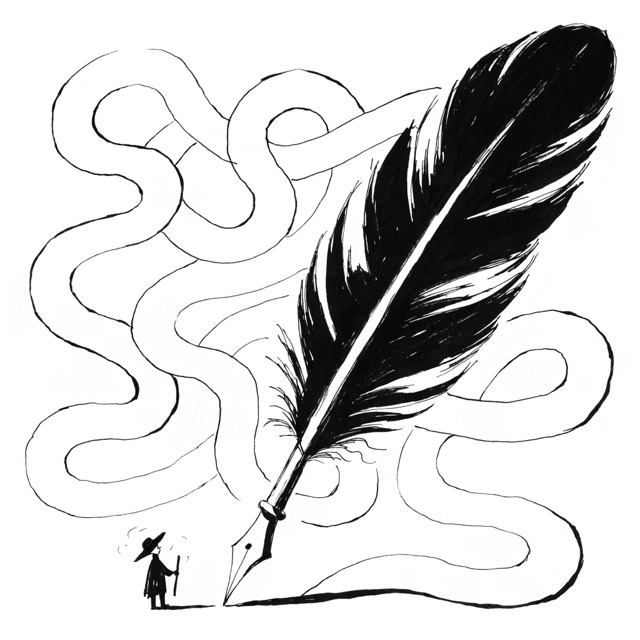
How authorship models work, why the Federalist case succeeded, and where textual confounds limit inference.
Literature · 6 min
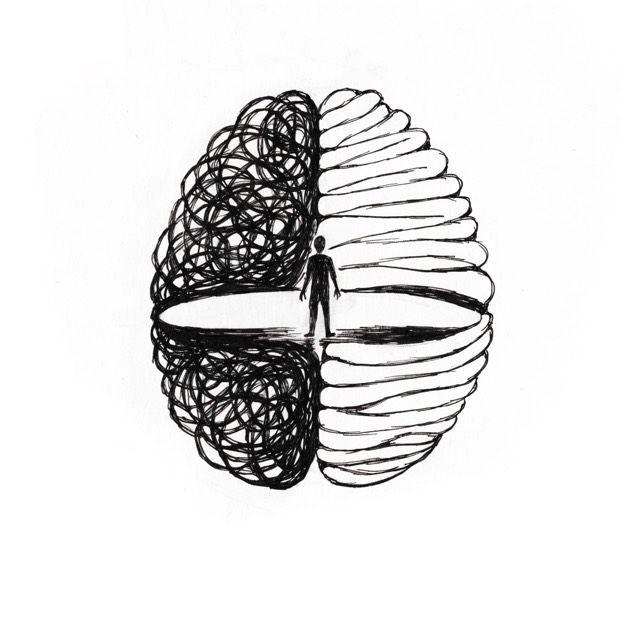
For thousands of years, humans read without paragraph breaks — and it changed what reading actually *was*. The humble white space between paragraphs isn't punctuation; it's one of the most consequential cognitive technologies ever invented.
Literature · 7 min
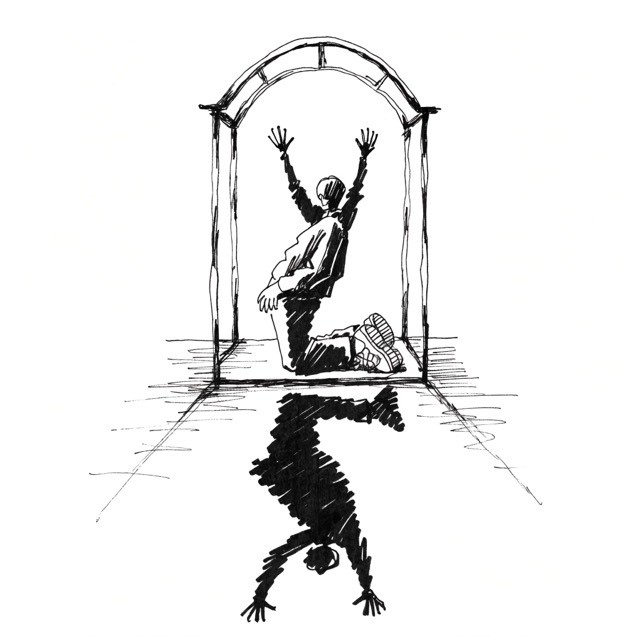
The moment you realize a narrator has been lying to your face is one of literature's great pleasures — but what if that trick isn't a trick at all? The unreliable narrator has a secret origin, and it has nothing to do with clever plotting.
Literature · 8 min
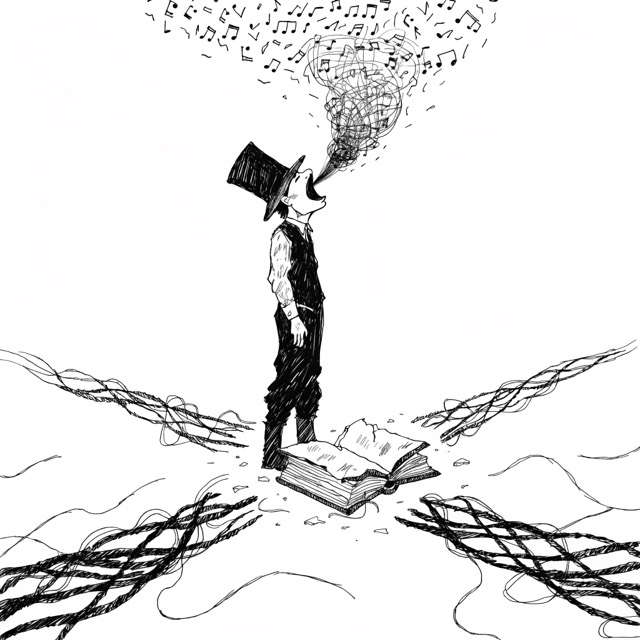
For thousands of years, we assumed Homer memorized the Iliad. One afternoon in 1930s Yugoslavia blew that assumption apart forever.
Literature · 9 min
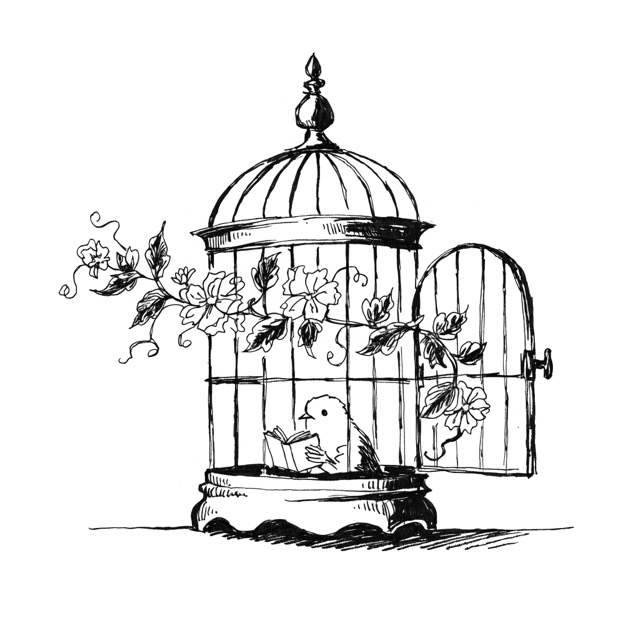
The writers who produced the 20th century's most enduring masterpieces did so under regimes that could imprison or kill them for a misplaced sentence. The history of censorship is also, inconveniently, a history of literary genius — and understanding why should unsettle everything we assume about creative freedom.
Literature · 7 min
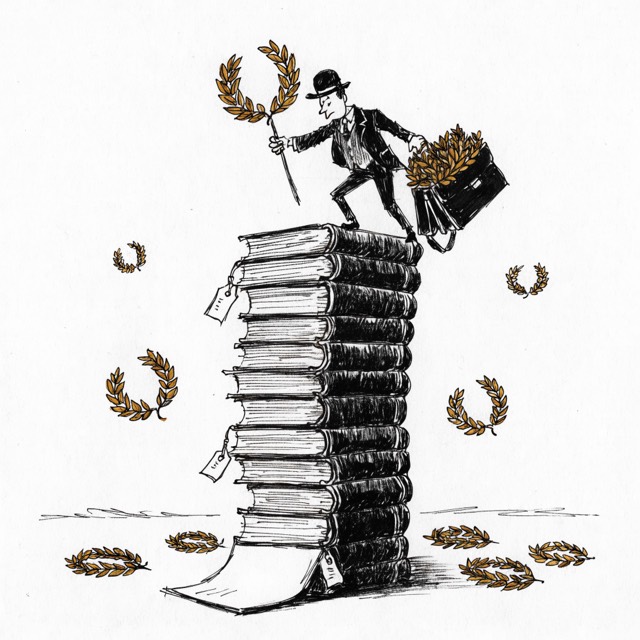
The books we were told are timeless classics may have survived not because of their genius, but because they were cheap. Follow the money behind the Western canon and you'll never read a syllabus the same way again.
The app
Free accounts read twenty pieces a day. Pro is US$1.99 a month or US$11.99 a year for unlimited reading.