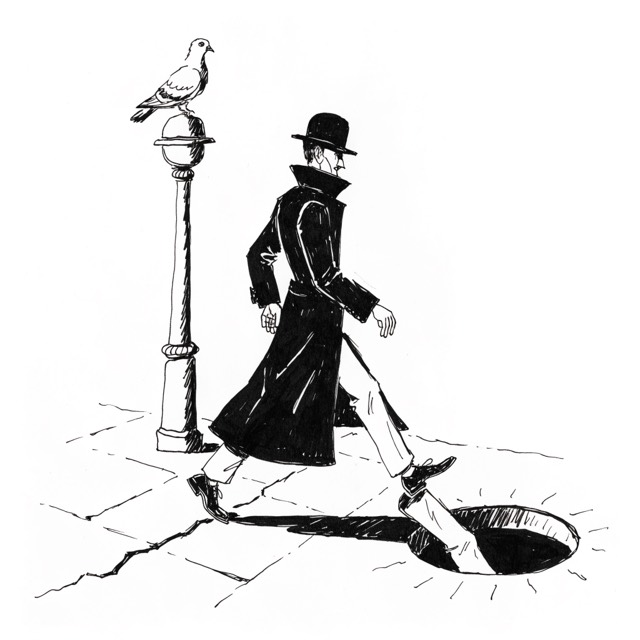
Philosophy · 7 min
Moral Luck and the Limits of Responsibility
The problem of moral luck separates judgments of choice, harm, repair, and character without dissolving their tension.
Pieces
Long-form pieces on philosophy — no feed, no ads, nothing that interrupts.
Philosophy · 7 min
The problem of moral luck separates judgments of choice, harm, repair, and character without dissolving their tension.
Philosophy · 6 min
The original philosophical contrasts, what later variants test, and why survey responses do not settle moral theory.
Philosophy · 6 min
Trolley cases reveal patterned moral distinctions, but they do not diagnose a person or forecast behavior in a real emergency.
Philosophy · 6 min
A return to Foot and Thomson’s original arguments and what later experiments can—and cannot—add.

Philosophy · 6 min
Recurring and variable moral judgments across countries, and why survey patterns do not settle moral truth.
Philosophy · 6 min
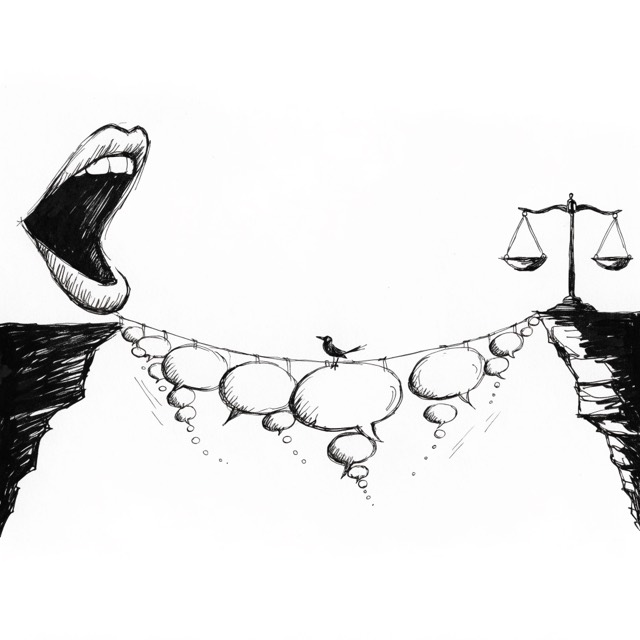
A map of philosophical accounts of testimony, trust, competence, defeaters, and socially distributed knowledge.
Philosophy · 6 min
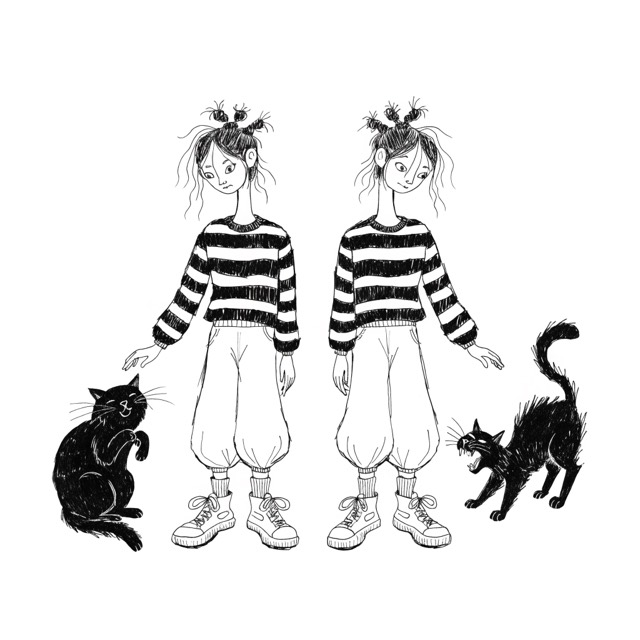
Why control, consequences, character, and circumstance pull judgments of responsibility in different directions.
Philosophy · 6 min
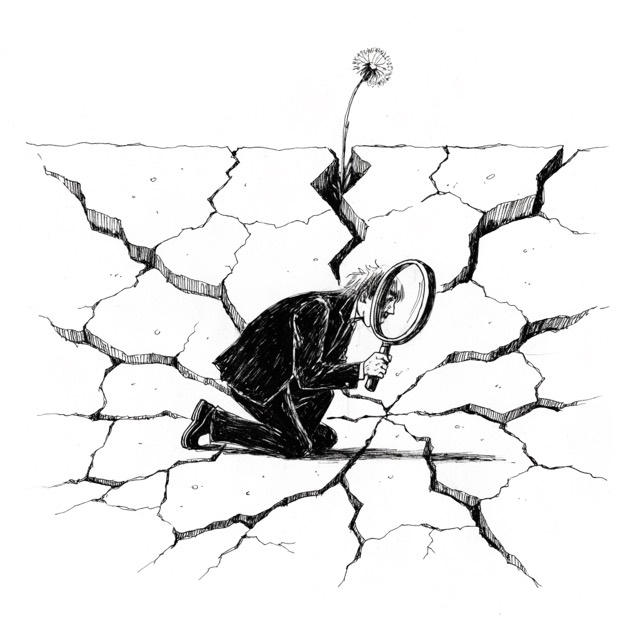
Why responsibility depends on knowledge and attention, and why negligence and distributed failures resist a single threshold.
Philosophy · 6 min
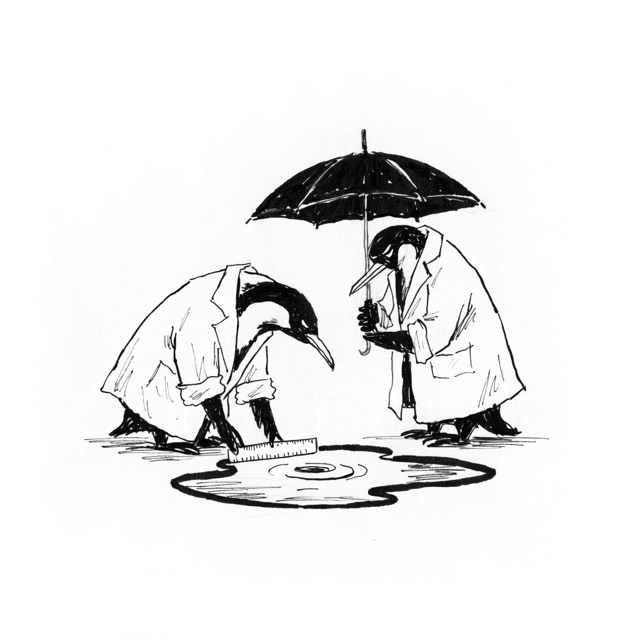
Why objective measurement depends on defined quantities, traceable standards, uncertainty, model criticism, and constrained disagreement.
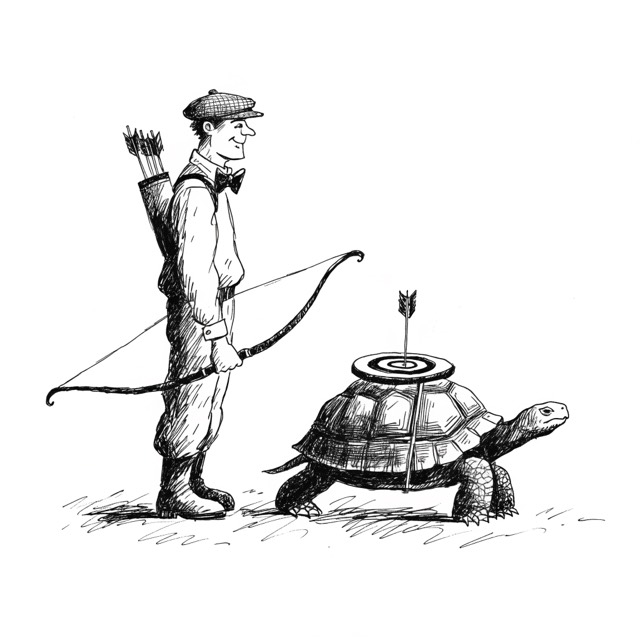
Philosophy · 6 min
The narrow negative finding behind Gettier cases, the role of epistemic luck, and why no replacement analysis has closed the debate.
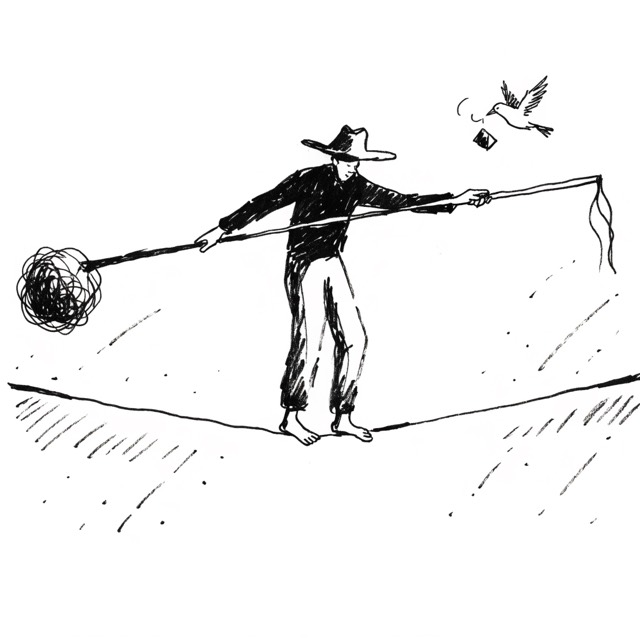
Philosophy · 7 min
A step-by-step account of Bayesian belief updating, including priors, uncertain evidence, and philosophical limits.
Philosophy · 6 min
Replications suggest a cross-cultural core to Gettier judgments without establishing uniform or innate intuition.
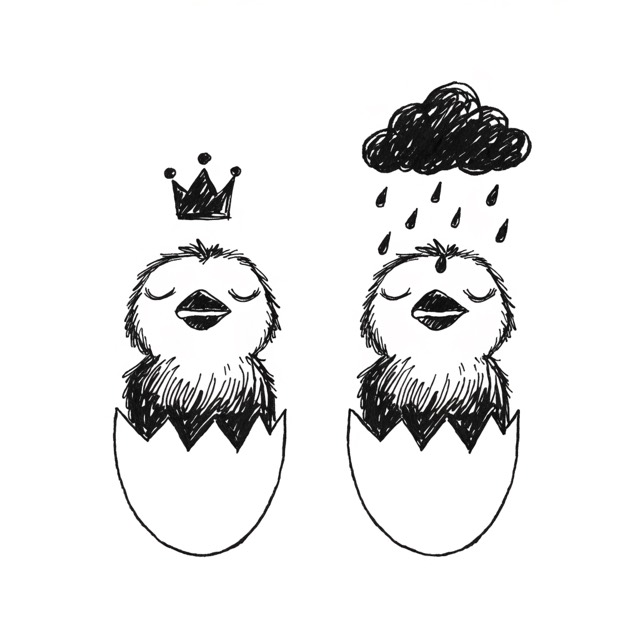
Philosophy · 7 min
Why equal choices can receive unequal judgments, and what major philosophical responses preserve or revise.
Philosophy · 9 min
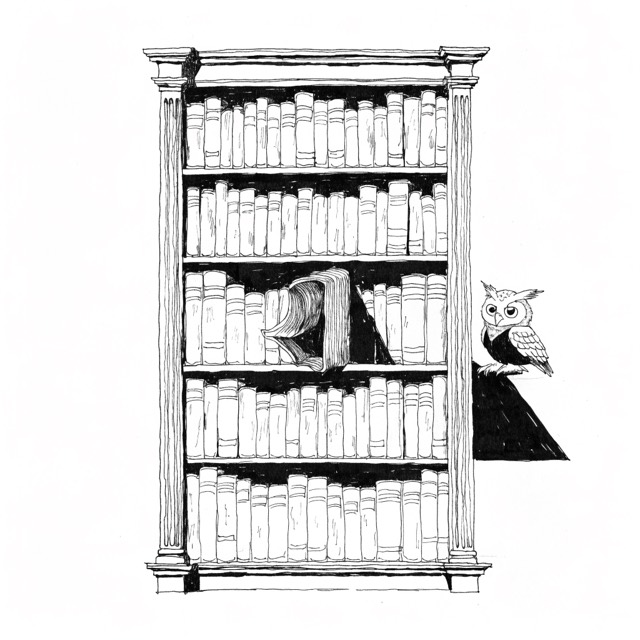
In 1931, a shy 25-year-old mathematician quietly dismantled one of humanity's oldest ambitions — the dream that reason could explain everything. What he proved instead is stranger, and more liberating, than anyone expected.
Philosophy · 10 min
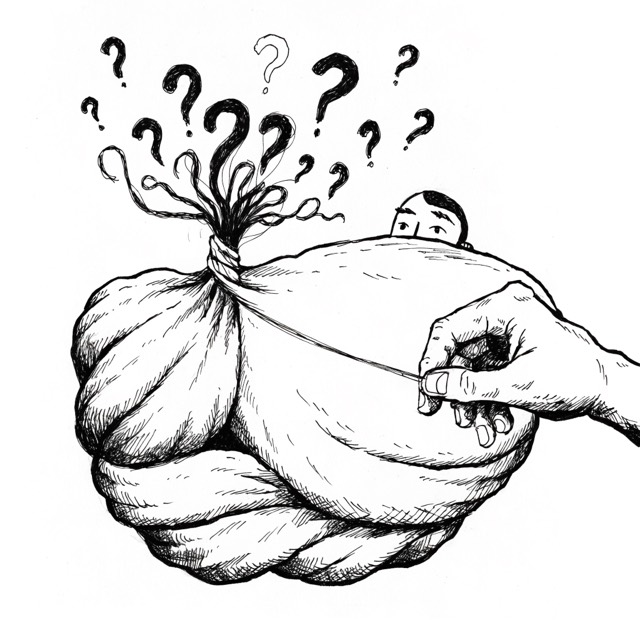
Every court verdict, drug approval, and AI system rests on a concept that philosophers have spent 2,000 years trying to define — and still can't. The word "cause" feels like bedrock, but the closer you look, the more it dissolves beneath you.
Philosophy · 7 min
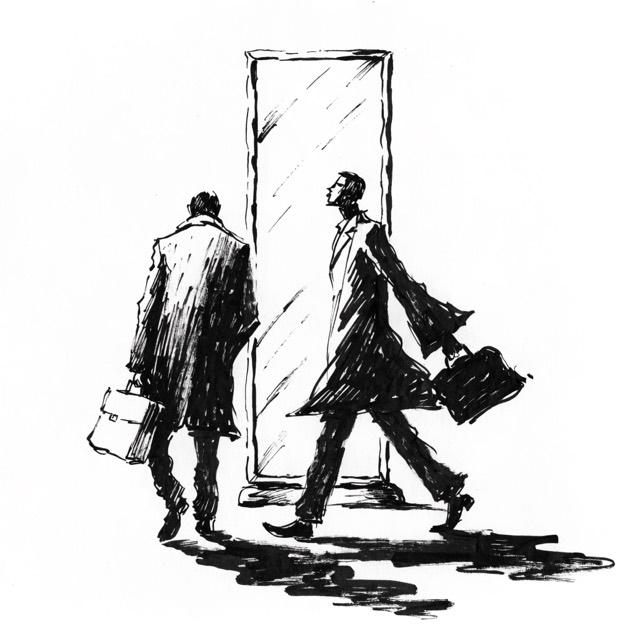
What if the "you" who wakes up tomorrow is not actually you — and a celebrated Oxford philosopher spent two decades proving it? Derek Parfit's radical argument about personal identity didn't just unsettle philosophers; it quietly dismantled the foundations of how we think about punishment, money, and what we owe our future selves.
Philosophy · 7 min
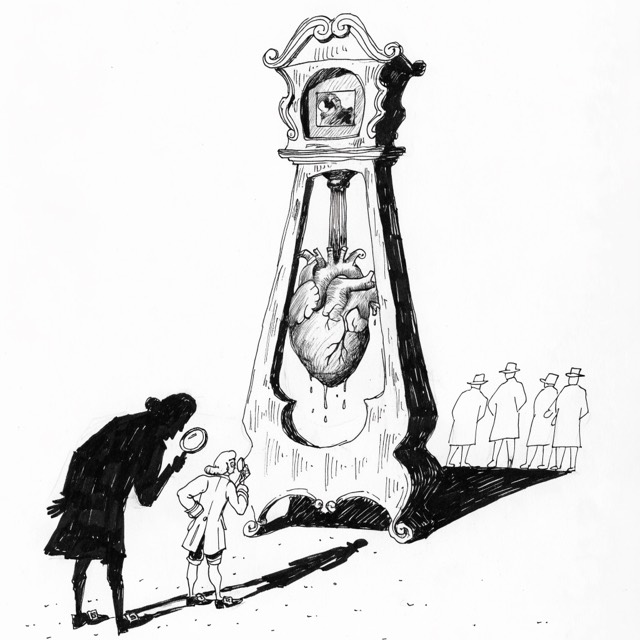
Immanuel Kant wrote the most rigorous ethical framework in Western history—and casually repeated racist pseudoscience about non-European peoples. If the greatest moral philosopher of the Enlightenment couldn't reason his way out of his own era's prejudices, what actually drives moral progress?
Philosophy · 8 min
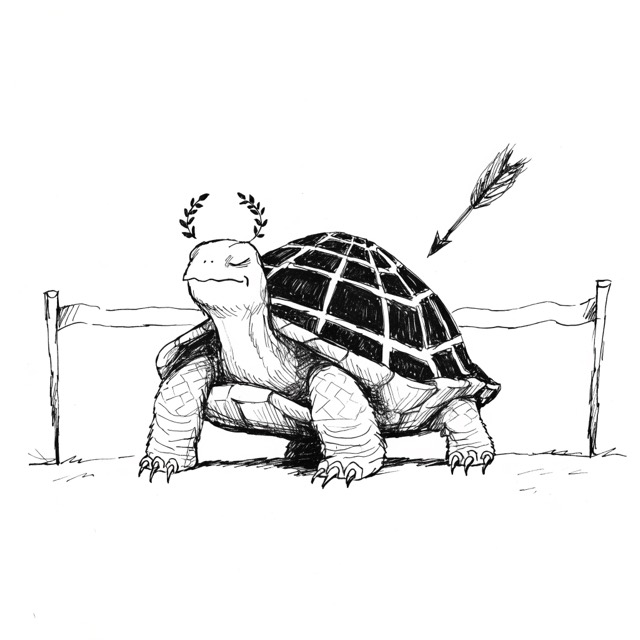
Two and a half thousand years ago, a Greek philosopher argued with cold logic that motion is impossible—and despite calculus, quantum mechanics, and decades of brilliant counterarguments, no one has cleanly proven him wrong. The paradox isn't a classroom curiosity: it's a live fault line running through the deepest questions modern physics is trying to answer right now.
The app
Free accounts read twenty pieces a day. Pro is US$1.99 a month or US$11.99 a year for unlimited reading.