History · 6 min
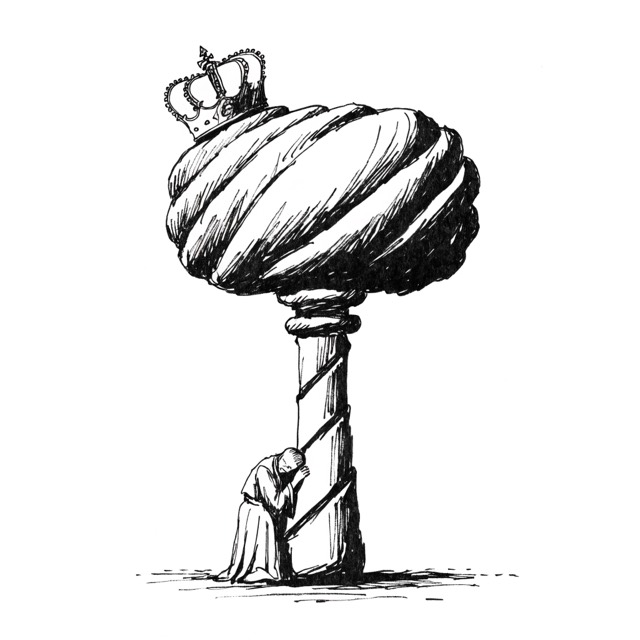
Hammurabi's Stele as Law, Literature, and Royal Monument
The Hammurabi stele preserves legal cases while also functioning as scribal literature and a claim about righteous kingship.
Pieces
Long-form pieces on history — no feed, no ads, nothing that interrupts.
History · 6 min
The Hammurabi stele preserves legal cases while also functioning as scribal literature and a claim about righteous kingship.
History · 6 min
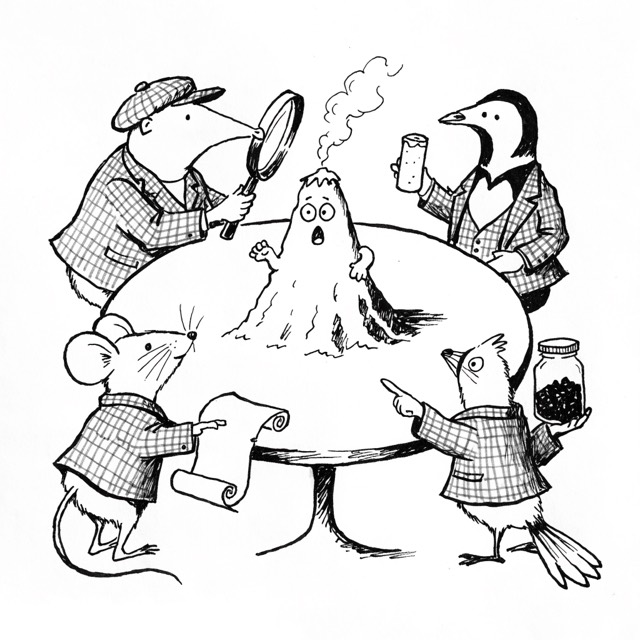
How geology, ash chemistry, ice cores, and a Lombok chronicle converged on Samalas while limiting claims about later crises.
History · 6 min
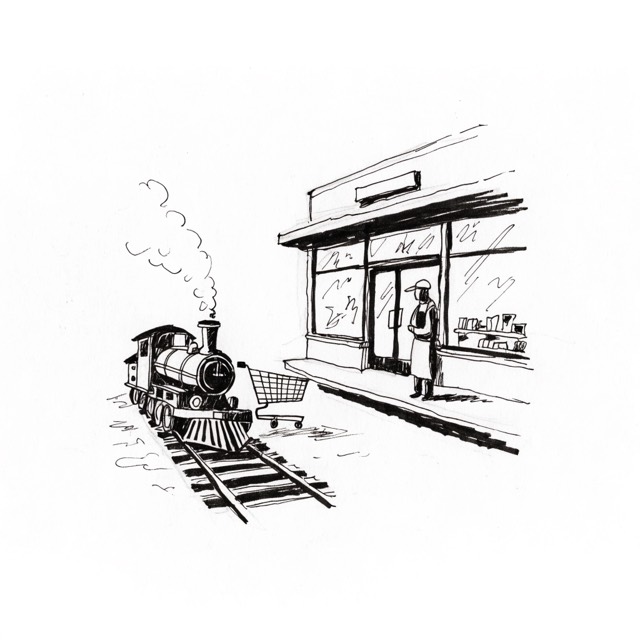
The UPC succeeded through engineering and industry coordination that linked a printed identifier to shared retail data.
History · 6 min
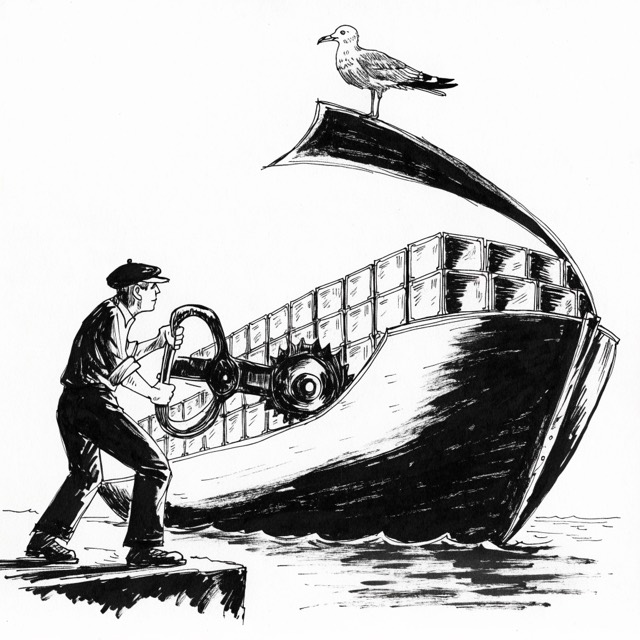
A history of the standards, infrastructure, labor changes, and limits behind intermodal containerization.
History · 6 min
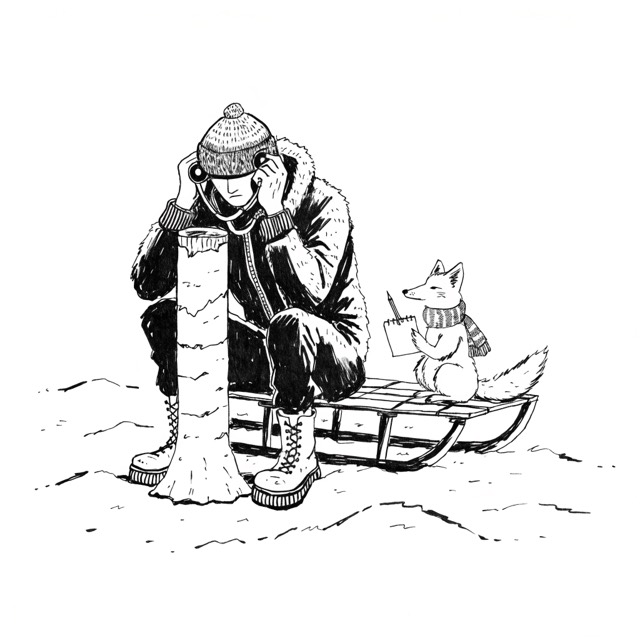
How drilling, gas analysis, isotope measurement, and dating turned polar ice into a climate archive.
History · 7 min
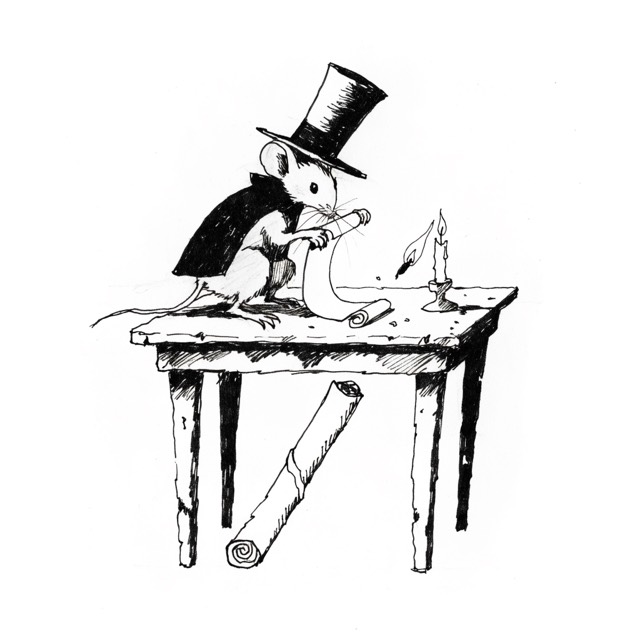
What ancient accounts establish about fires and temple destruction, and why the library's final disappearance remains uncertain.
History · 6 min
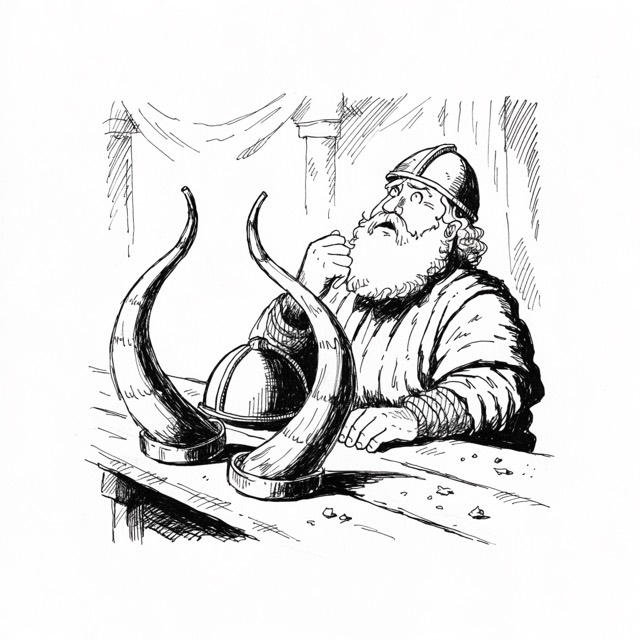
The material record weighs against routine combat horns while leaving some ceremonial images open to interpretation.
History · 6 min
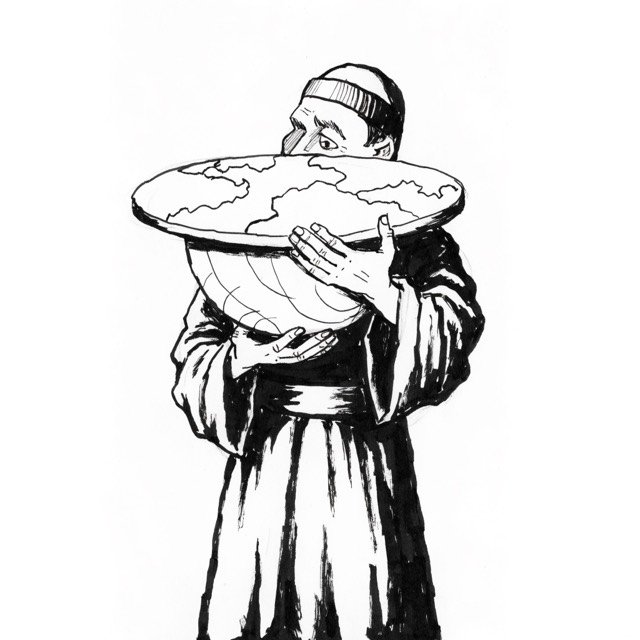
Why schematic medieval maps do not demonstrate a general flat-Earth belief, and what the uneven archive permits historians to say.
History · 6 min
How interviews, exposure comparisons, anomalies, mapping, and a precautionary intervention built a strong but not solitary causal case.
History · 6 min
How documented confusion became a national panic story despite limited audiences and incompatible estimates of fear.
History · 6 min
What mineral growth, hot mixing, lime clasts, structure, and survivorship can—and cannot—explain about Roman concrete.
History · 6 min
Domesday's detailed land and revenue survey illuminates Norman rule while omitting much of the population.
History · 6 min
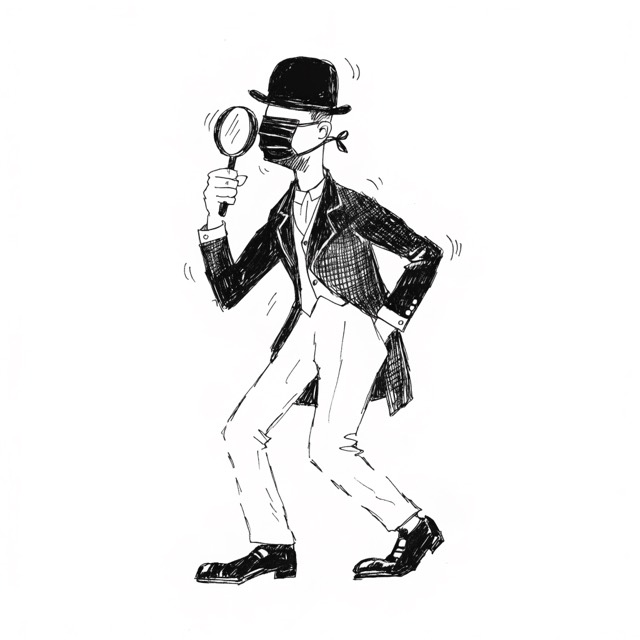
What historical records support about gauze masks, combined interventions, compliance, and uncertainty.
History · 9 min
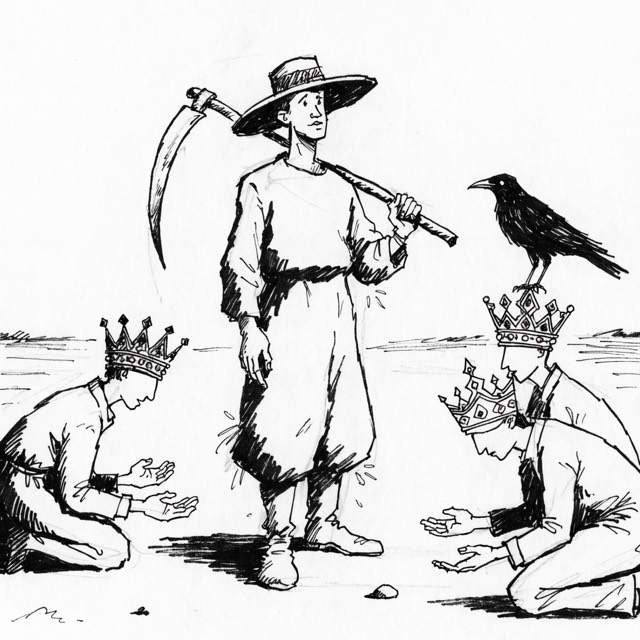
In six years, a bacterium killed half of Europe—and accidentally gave its survivors something no king, philosopher, or rebel had managed to deliver: leverage. This is the story of how the Black Death became the most effective labor organizer in history, and why almost nobody wanted it to be.
History · 7 min
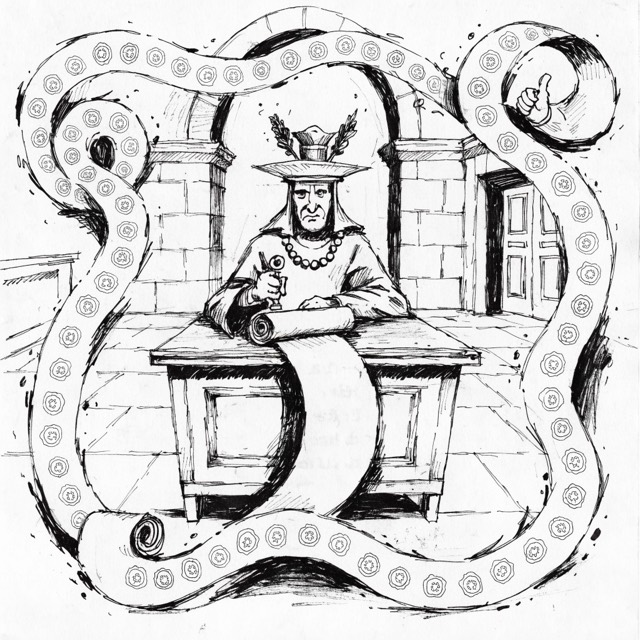
For seven centuries, the Byzantine Empire ran a sophisticated disinformation operation so embedded in its bureaucracy that forgery was essentially a job description. What they invented looks disturbingly familiar today.
History · 10 min
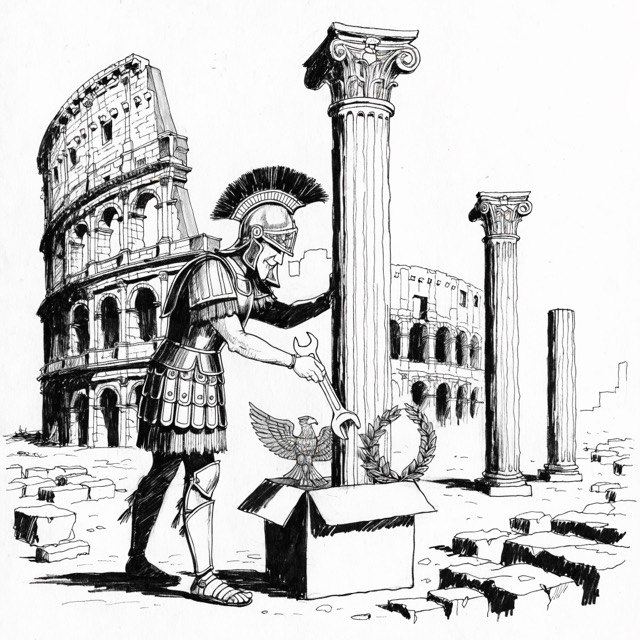
In 476 CE, the Western Roman Empire "fell"—and almost nobody noticed. The real story isn't one of collapse, but of a vast, sophisticated machine being quietly stripped for parts by the very people who were supposed to run it.
History · 10 min
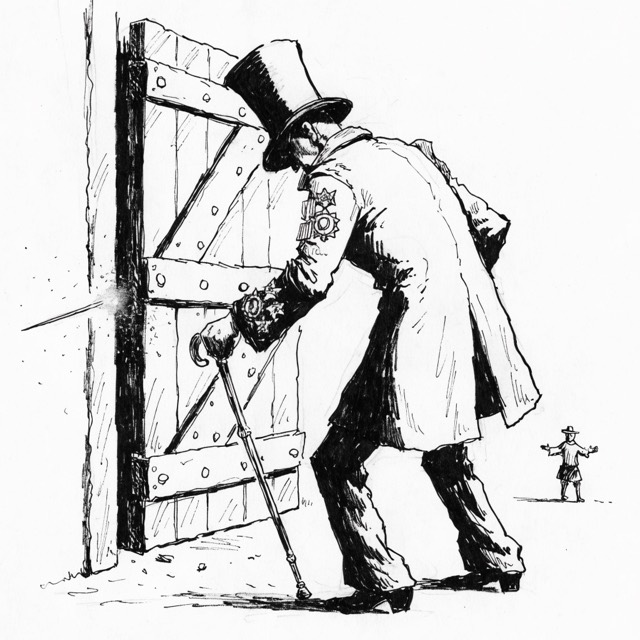
The story we tell about smallpox inoculation casts fearful peasants and firebrand priests as the villains — but the real organized opposition came from licensed physicians protecting their professional turf. The history is more uncomfortable, more instructive, and almost entirely forgotten.
History · 6 min
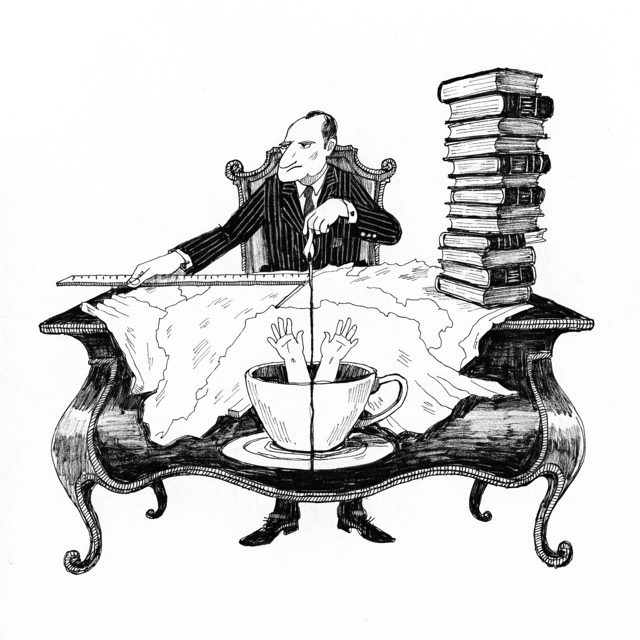
A British bureaucrat who'd never set foot in India drew the borders of two nations in five weeks — then burned his papers and fled. The map he left behind didn't document a conflict. It invented one.
The app
Free accounts read twenty pieces a day. Pro is US$1.99 a month or US$11.99 a year for unlimited reading.